
A Beginner’s Guide to Yoga (Especially If You Don’t Feel “Ready”)
April is Stress Awareness Month, which makes it the perfect time to check in with how you’re really feeling—mentally, emotionally, and physically. If you’ve been carrying stress, feeling overwhelmed, or running on empty, you’re not alone.
And if you’ve been thinking about trying yoga but aren’t sure where to start, this is for you.
This week in our heated vinyasa classes, I’ve been talking about what makes yoga different from other fitness classes. While we might burn calories, build muscle, and increase mobility and flexibility, those are simply side effects of something much deeper.
In a yoga class, we create a controlled stress environment—introducing discomfort through postures, stillness, and sometimes heat—and then learn how to find steadiness within it.
We intentionally use breath and awareness to practice calming the mind. So when we step off our mats and back into the real world, we have the tools and experience to regulate our nervous system and return to a place of calm.
But many people still think yoga is just another form of exercise. They aren’t aware of its depth or the full range of benefits it offers. Let’s explore—and gently debunk—some of the most common myths about starting a yoga practice.
Myth #1: You Need to Be Flexible to Start Yoga
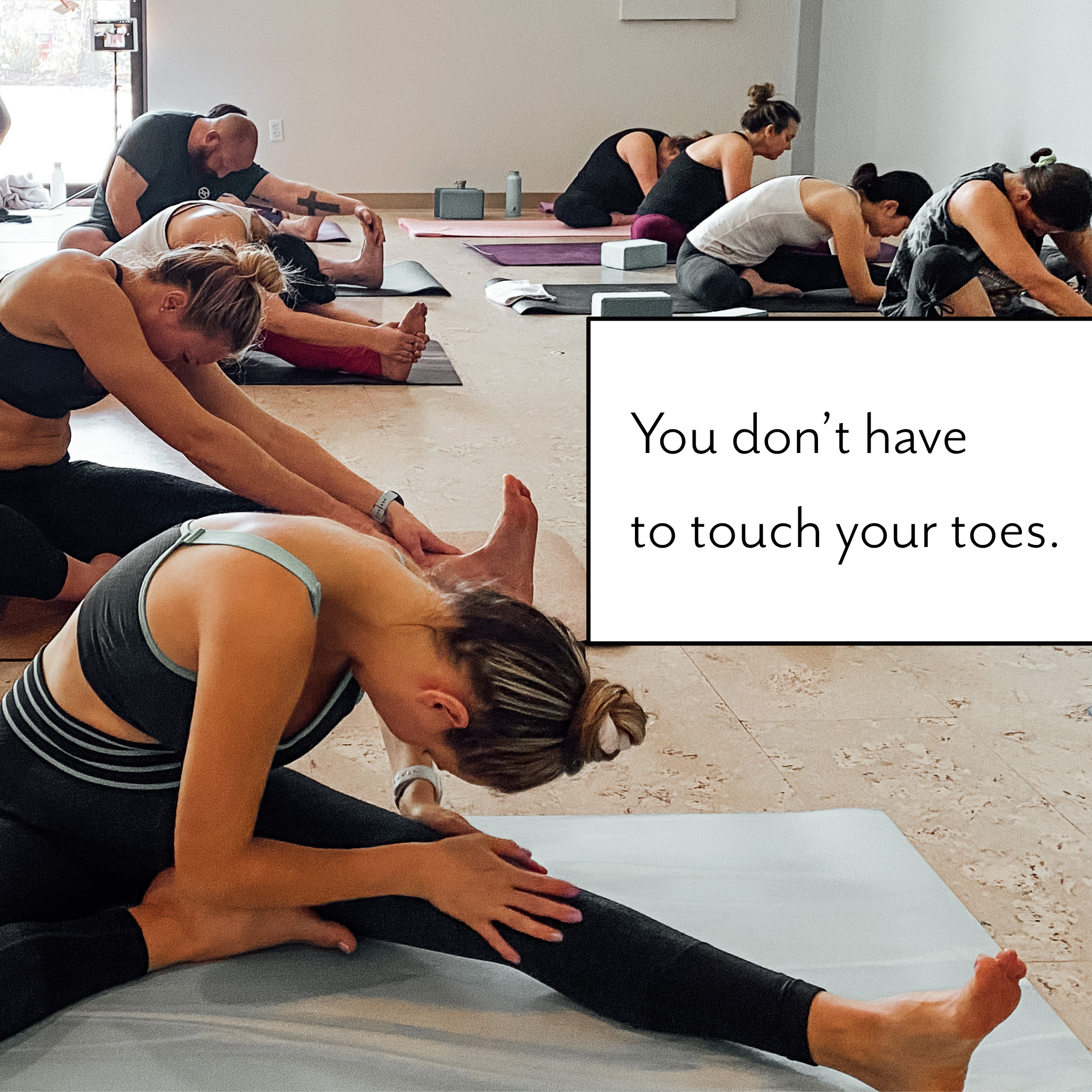
One of the biggest reasons people hesitate to try yoga is the belief that they need to be flexible first.
You don’t.
Yoga is not something you do because you’re already flexible—it’s something that helps you become more open, more mobile, and more comfortable in your body over time.
Whether you feel tight, stiff, or out of practice, you are not behind. You’re simply at the beginning.
Myth #2: You Need to Be Calm Before Class
Another common misconception is that you need to feel calm before stepping into a class. In reality, most people come to yoga because they’re stressed, anxious, or overwhelmed. Yoga is the place where that begins to shift.
Through movement and breath, your body has a chance to slow down, your mind can settle, and your nervous system can reset. You don’t need to arrive feeling peaceful—you just need to arrive.
Myth #3: You Need to Be “In Shape”
You also don’t need to be “in shape” to start. There’s no required fitness level, no expectation that you know what you’re doing, and no pressure to keep up with anyone else.
At Soul Society, classes are designed to meet you where you are, with guidance, modifications, and a supportive environment that allows you to move at your own pace. This isn’t about doing yoga perfectly. It’s about feeling better.
What Your First Yoga Class Will Actually Feel Like
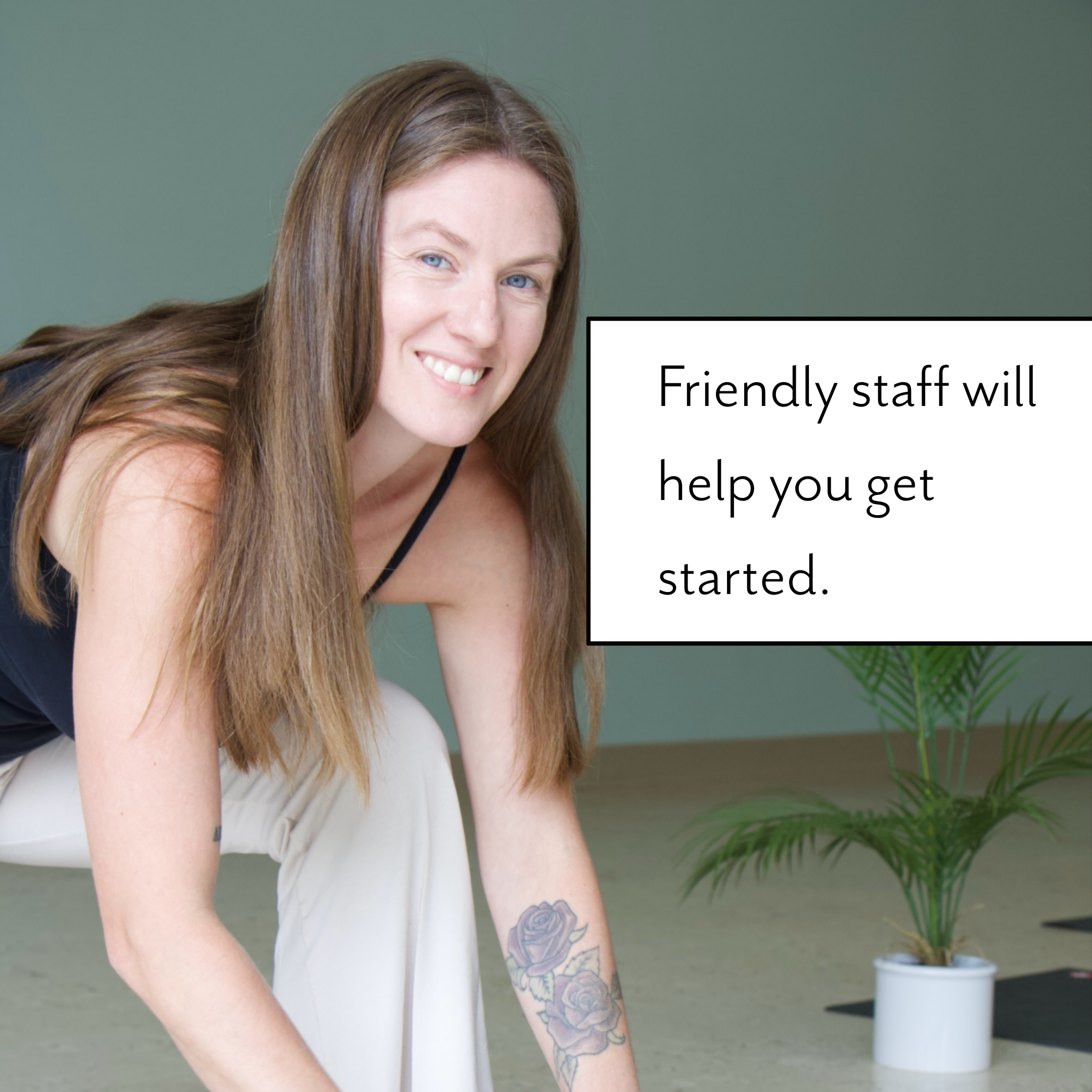
If you’re wondering what your first yoga class will be like, it’s likely much more approachable than you think.
You’ll be welcomed when you arrive and guided through anything you need to know. The studio environment is calm and supportive, not intimidating.
Instructors offer clear direction and options throughout class, so you can adjust based on how you’re feeling. You can take breaks, move slowly, or simply focus on your breath. There is no pressure to get it right.
Why Starting Yoga Matters for Stress Relief
Starting matters—especially when it comes to stress. Stress doesn’t just affect your thoughts; it shows up physically as tension, fatigue, and difficulty sleeping.
Many people feel it in their shoulders, back, and energy levels throughout the day . Yoga gives you a way to begin releasing that, gradually and sustainably. Not all at once, but over time, through consistent movement and breath.
Those small shifts begin to add up. You may notice you feel more grounded, more clear-headed, and more at ease in your body. You may notice your chronic back pain has eased or that you’re sleeping better.
That’s the real benefit of yoga—not just how it looks, but how it helps you feel in your everyday life.
Your Only Job Is to Begin
You don’t need the perfect schedule, the perfect mindset, or a full plan to get started. You just need a place to begin. One class, one hour, one decision to take care of yourself.