
The Ultimate Guide to Yoga Mats
The Ultimate Guide to Yoga Mats
Open Cell vs. Closed Cell + Honest Reviews of 6 Popular Mats
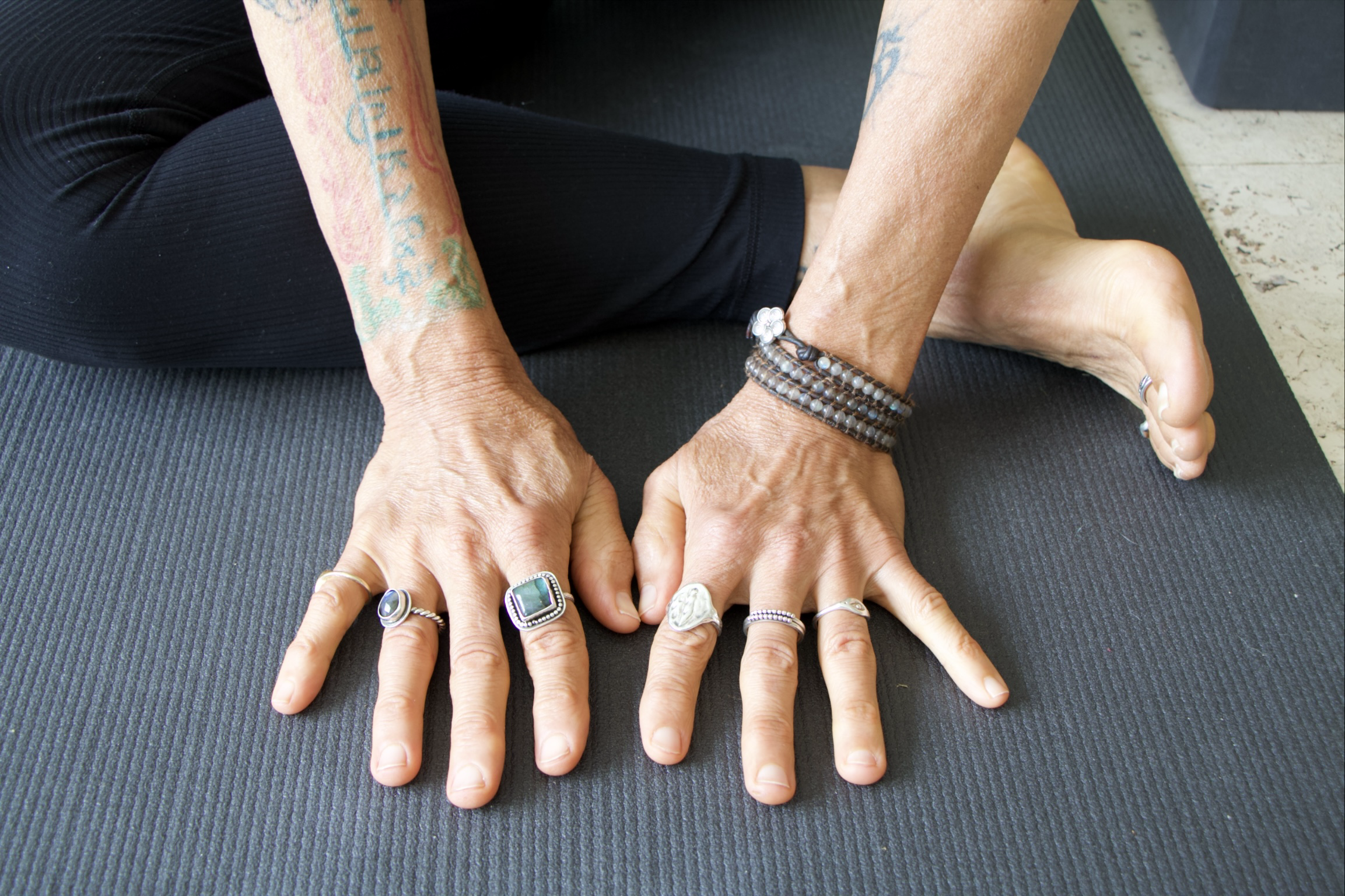
Choosing a yoga mat shouldn’t feel overwhelming, but with so many options—open cell, closed cell, cork, rubber, grippy, cushy, patterned, eco-friendly—it’s no wonder students often ask, “Which mat should I buy?”
As a studio owner and someone who practices (and sweats!) on my mat nearly every day, I’ve tested more brands than I can count. Some have been total winners. Some… not so much. And a few were great for certain styles of yoga but terrible for others.
This guide breaks it all down in real, honest language so you can find the mat that truly supports your practice.
Open-Cell vs. Closed-Cell Mats: What You Really Need to Know
Choosing the right mat starts with knowing what kind of grip and surface you prefer.
Open-Cell Mats
Open-cell mats have microscopic pores that absorb moisture, meaning they actually get grippier when you sweat.
Best for:
Hot vinyasa, power yoga, sweaty practices, people who slip easily.
Pros:
Extremely reliable grip, even in heat
Soft, slightly porous feel
Great for transitions and stability
Cons:
They absorb sweat → need regular cleaning
Can stain or wear faster if neglected
Open-cell = best performance during sweaty flows.
Closed-Cell Mats
These mats are dense, smooth, and don’t absorb moisture.
Best for:
Hot 26, Yin, Restorative, light-sweat practices.
Pros:
Very easy to clean
Ultra-durable (some last 20 years!)
Supportive and stable
Cons:
Slippery until fully broken in
Not ideal for sweaty vinyasa without a towel
Take patience and maintenance to become grippy
Closed-cell = easier maintenance, less grip.
My Honest Review of 6 Popular Yoga Mats
These aren’t sponsored and are not influenced by brands. Just real-world feedback from me and hundreds of Soul Society students.
1. Manduka GRP Adapt (My #1 Pick)
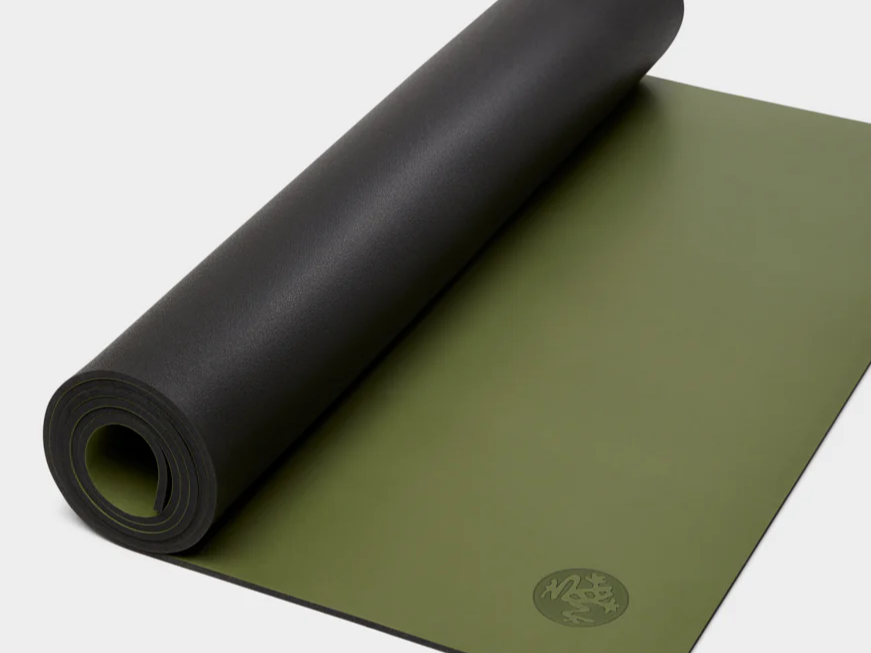
Open cell | 5mm | Best for: Vinyasa, Hot Yoga, Daily Practice $99
View the mat
If you practice regularly—especially in heated or sweaty classes—this is the mat to beat.
Why I love it:
Incredible grip without feeling sticky or “too grippy"
Still grippy after four years of daily practice
5mm thickness = perfect cushion without wobbling
Not a super heavy mat
Holds up beautifully over time
Comes in gorgeous, elevated colors
This mat gives confidence in every single pose. Down dog feels grounded. Transitions are smooth. No slipping, no fussing.
✨ The best performance-and-durability combo out there.
2. Manduka PRO + PROlite
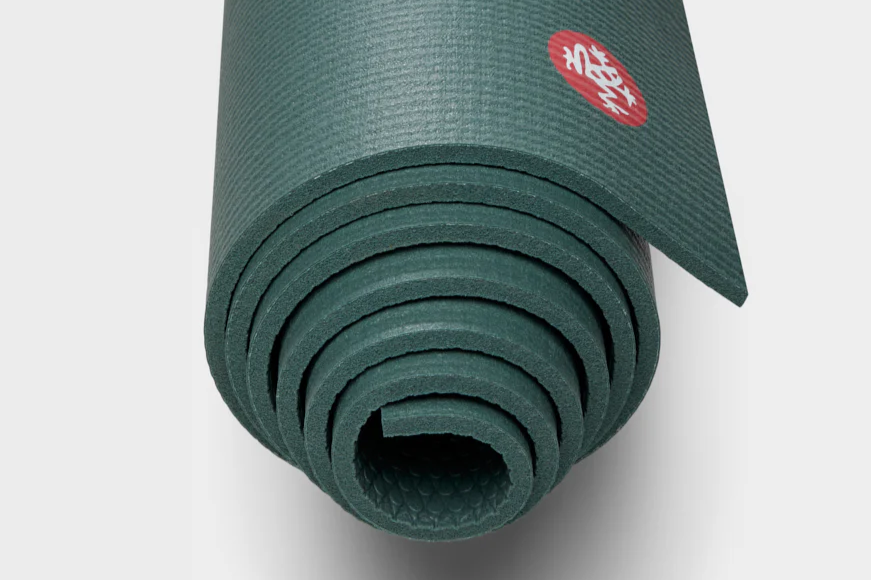
Closed cell | 6mm (PRO) / 4.7mm (PROlite) | Best for: Hot 26, Yin, Restorative $138
View the PRO series
These are iconic. If yoga mats had a “lifetime achievement award,” the PRO would win.
But here’s the truth:
They are extremely durable but not naturally grippy.
You’ll need to:
Salt it (sometimes several times)
Practice on it for weeks
Break it in before it feels sticky
Pros:
Beautiful, rich colors
Will literally last 15–20 years
Perfect density for balancing poses
Amazing for slow or static practices
Ultra hygienic, naturally anti-microbial
Easy to clean and keep clean
Cons:
May take years to get grippy
A good mat towel is an absolute must
Requires patience and elbow grease
Heavy
If you do sweaty vinyasa, choose something else—or be prepared to add a towel.
3. Liforme
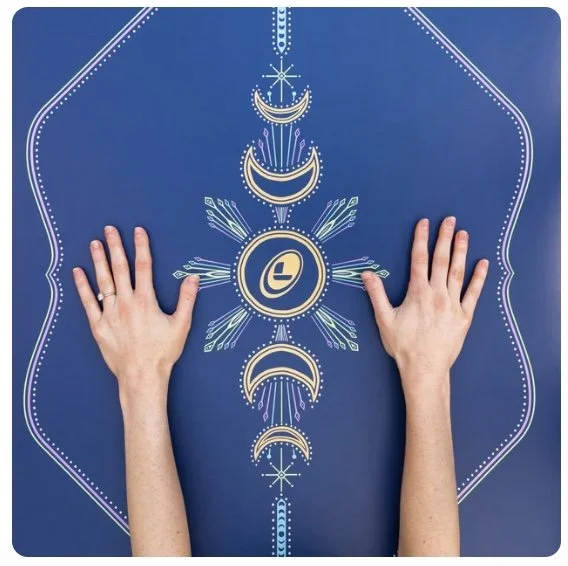
Open cell | 4.2mm | Best for: Casual yoga, beginners $200
View Liforme
Liforme mats are undeniably beautiful. Alignment lines, fun colors, that sleek finish.
But for the price, performance is disappointing.
Pros:
Looks gorgeous
Alignment lines
Comes with a mat bag
Cons:
Grip declines quickly—mine got slippery within weeks
Several students report the mat stretches under their hands
Doesn’t hold up with consistent practice
It’s a pretty mat. Just not a long-lasting one.
4. lululemon “The Mat”
Open-cell top + closed-cell base | 5mm | Best for: Occasional practice $118
View lululemon mats
Another beauty with pretty patterns and colors… but not the best for sweat performance.
Pros:
Looks great - beautiful colors and patterns available
Decent price point
Grippy from the get-go
Cons:
Grip fades much faster than expected
Lighter colors stain from sweat and oils
Not great for consistent hot yoga
If aesthetics matter most, this mat delivers. If longevity and traction are your priorities—skip it.
5. b, mat (by b, halfmoon)
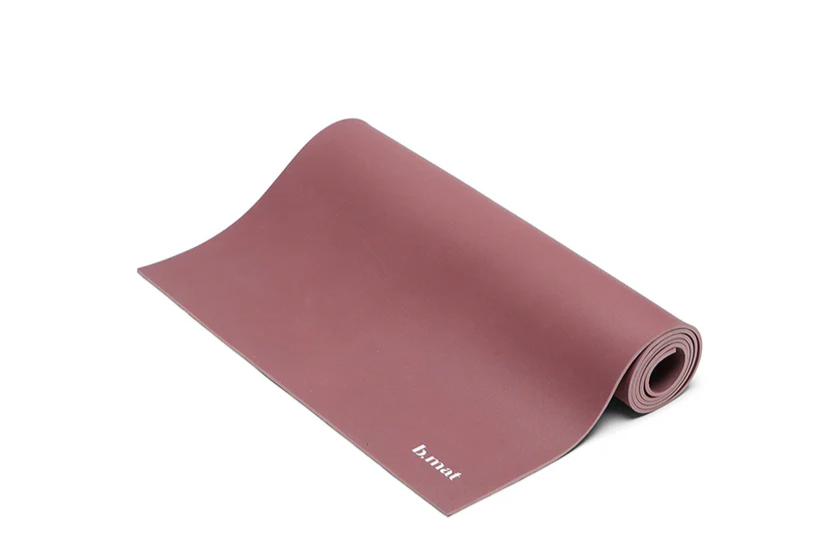
Open cell | 3mm or 6mm | Best for: Strong grip lovers $144
View B Mats
B Mat devotees are devoted. This mat grips like crazy. It’s basically glued to the floor.
Pros:
Super grippy—even in sweat
6mm version is extremely cushioned and 4mm is a nice balance
Lightweight
Cons:
Surface can peel after heavy use
Sometimes “too grippy” for smooth vinyasa transitions
Definite rubber smell that lasts for a while but eventually fades
Frequently out of stock and hard to get
Fantastic for slower styles or people who want max traction—not ideal for rolling over the toes or fluid vinyasa.
6. Jade Harmony Yoga Mat
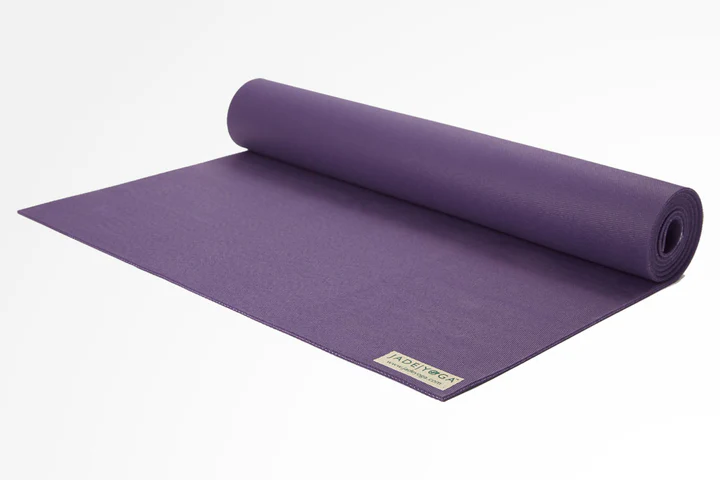
Open cell | Natural rubber | Best for: Earth-conscious yogis $100
View Jade
Jade mats feel wonderful under the hands—soft, natural, and grippy. But they require a little more TLC.
Pros:
Provides great traction early on
Eco-friendly and ethically made
Cons:
Rubber can dry out if left in hot cars or direct sun
Definite rubber smell that lasts for a while but eventually fades
Still required a towel in heated vinyasa
If you baby your mat, Jade can be a great choice. If you’re rough on mats… choose something more durable.
Note: I have not tried the new Jade Mushroom mat. Here’s the description from their website. I look forward to trying it out.
Jade Mushroom Mat diverts organic waste from landfills, reducing harmful methane emissions, a significant contributor to global warming, and provides an additional income stream for farmers in developing countries.
Eco-Friendly - Made in Spain with natural rubber, a rapidly renewable resource, tapped from rubber trees and USDA Organic certified oyster mushroom waste and contains no PVC or synthetic plastics.
Non-Slip - Natural Rubber surface guarantees optimum grip.
Comfortable - Better cushion and more resilience than any other yoga mat.
The Jade Mushroom Mat is 5mm thick and is available in 68" or 74" lengths, and weighs about 4.5lbs.
How to Clean & Care for Your Yoga Mat (So It Actually Lasts)
Caring for your mat depends on whether it's open or closed cell.
For Open-Cell Mats (Manduka GRP, Liforme, B Mat, Jade):
Use a gentle, alcohol-free mat cleaner
Avoid harsh chemicals that can dry the material
Let it air dry fully before rolling
Avoid leaving it in hot cars or direct sunlight
Consider a towel for super-sweaty classes
For Closed-Cell Mats (Manduka PRO, PROlite):
Wipe with a damp cloth after each practice
Use mild soap if needed (sparingly)
Break in with a salt scrub
Give the surface time to wear in
A well-loved mat is a partner in your practice—taking care of it makes a difference.
Which Mat Should You Choose?
Here’s the quick cheat sheet:
Best overall mat for vinyasa + hot yoga:
Manduka GRP Adapt
Best mat for Hot 26, Yin + Restorative:
Manduka PRO / PROlite
Best extra-grippy mat for slow flows:
B Mat 6mm or 3mm
Best eco-conscious option:
Jade
Prettiest but not most durable:
Liforme + lululemon
Ready to Try These Mats in Person?
At Soul Society Yoga, we talk about mats all the time. If you're local, you can demo the Manduka GRP Adapt, PROlite, or B Mat during class.
You deserve a mat that supports your flow, your confidence, and your journey.