
Practicing Compassion When Life Leaves Little Room to Care for Yourself
Most people don’t struggle with compassion toward others.
We show up. We follow through. We take care of what needs to be done.
Days are full, shaped by work, family, and responsibility. And caring for yourself is often the first thing to be postponed. Not because it doesn’t matter, but because it feels impractical or easy to put off until later.
Sometimes that looks like moving through life in a constant state of doing, rarely stopping long enough to notice how tired the body feels or how overloaded the nervous system has become.
Other times it shows up as doubt—wondering whether your body is too stiff, too tired, or whether rest is something you need to earn.
Underneath it all is a familiar guilt many of us carry: I should be able to handle this better.
But what if compassion isn’t something we either have or don’t have?
What if it’s something we practice—especially in the moments when choosing care feels inconvenient or undeserved?
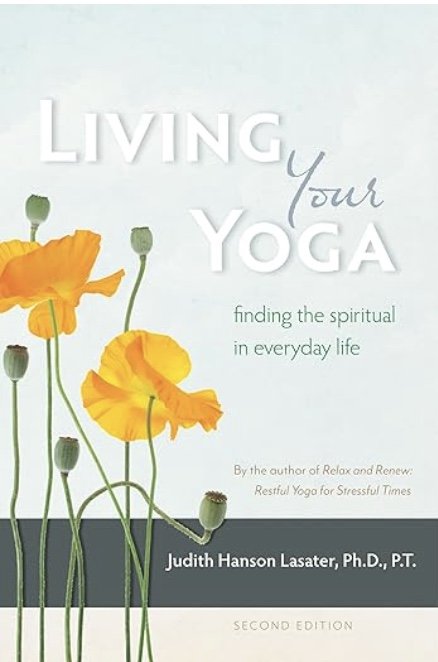
That idea sits at the heart of Living Your Yoga, where Judith Lasater reminds us that yoga isn’t just something we do for an hour. It’s something we live. And compassion, particularly toward ourselves, is one of the most meaningful ways we practice it.
Compassion Often Shows Up Before You Ever Get to the Mat
While we spend our days outwardly giving to others, when it comes to ourselves, compassion often gets replaced with criticism. Does any of this sound familiar?
“I should be more flexible.”
“I’m not doing this pose right.”
“I should be stronger by now.”
“I don’t have time to rest.”
If it does, you’re not alone.
Yoga gently invites us to notice our inner dialogue—not to shame it, but to soften it. Lasater teaches that compassion doesn’t mean lowering standards or giving up. It means meeting yourself honestly, kindly, and without judgment in each moment.
Throughout my years of practicing and teaching yoga, I have found that compassion doesn’t begin when we roll out our mat. It begins before we arrive.
Compassion shows up in the moment you decide to pause your day and care for yourself, even when it feels inconvenient or undeserved.
That moment might look like:
Choosing to come to a yoga class instead of powering through one more task
Booking a sauna or cold plunge session as a way to reset, not as a reward you have to earn
Stepping outside for a short walk instead of scrolling or rushing to the next thing
Sitting quietly for five minutes to breathe, even when your mind says you don’t have time
These choices may seem small, but they’re powerful.
They require you to interrupt the momentum of everyday life—the constant doing, giving, and responding—and turn your attention inward. For many, especially those who spend their lives caring for others, that interruption can feel uncomfortable at first.
But that discomfort doesn’t mean you’re doing it wrong. It means you’re practicing compassion.
Choosing yoga, recovery, or stillness isn’t about being disciplined or “good” at self-care. It’s about recognizing that your nervous system, your body, and your mind need moments of intentional support and allowing yourself to receive them.
The Mat as a Practice Ground for Real Life
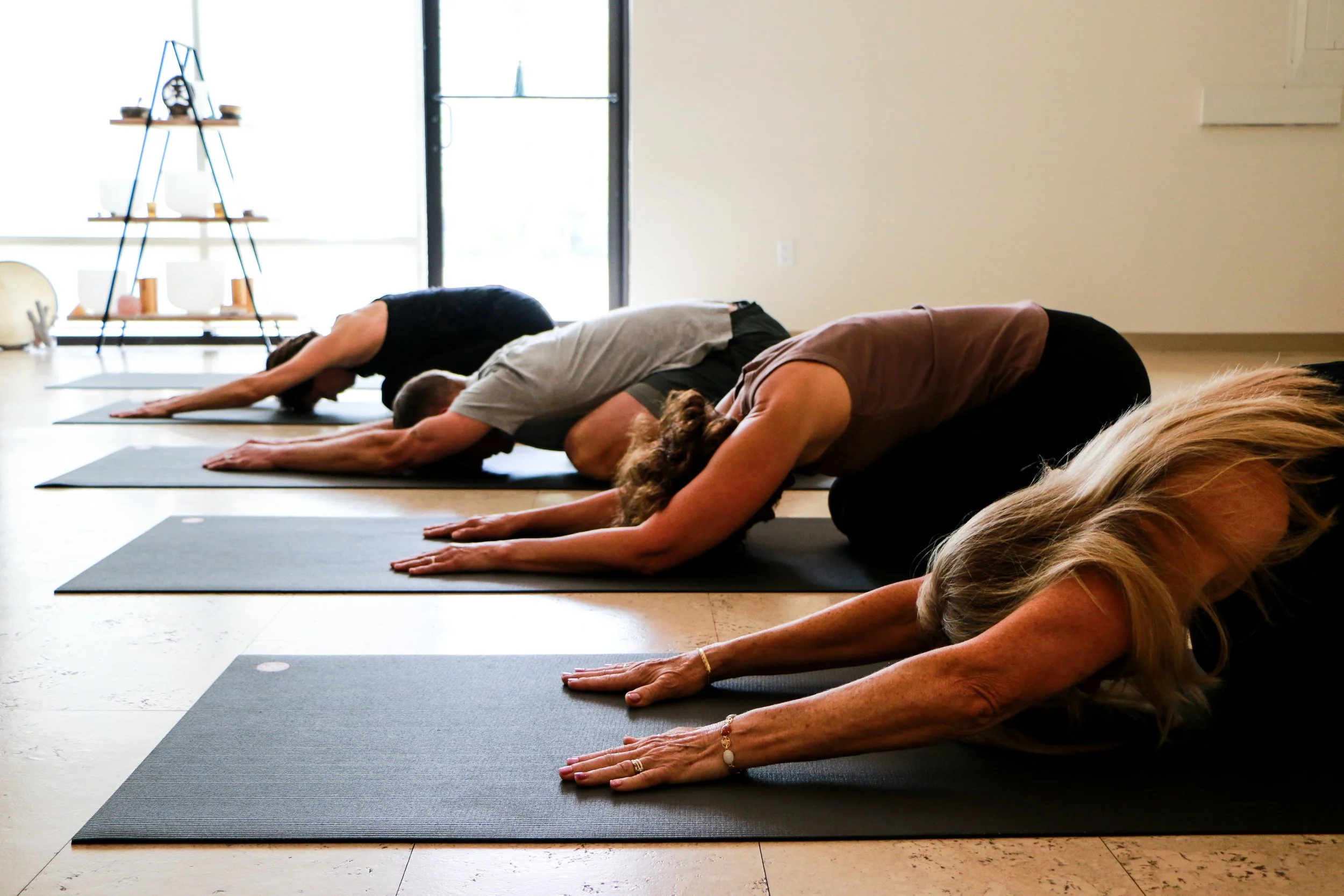
One of the most beautiful things about yoga is that it gives us a safe place to practice responding differently.
On the mat, you can experiment with listening instead of forcing.
With easing instead of gripping.
With asking, “What do I need right now?” instead of “What should I be able to do?”
For all you working moms and dads juggling a thousand responsibilities, this can feel revolutionary. So much of life requires pushing through. Yoga becomes one of the few places where you’re allowed to pause, breathe, and let yourself be supported.
For those of you who may be returning to movement later in life or navigating physical changes, compassion on the mat builds trust. Trust in your body. Trust that you don’t have to prove anything. Trust that showing up exactly as you are is enough.
This is yoga doing its quiet, powerful work.
Compassion Beyond the Mat
Living your yoga means noticing how the way you move on the mat mirrors how you move through life.
Do you rush through rest?
Do you override discomfort?
Do you judge yourself harshly for needing breaks?
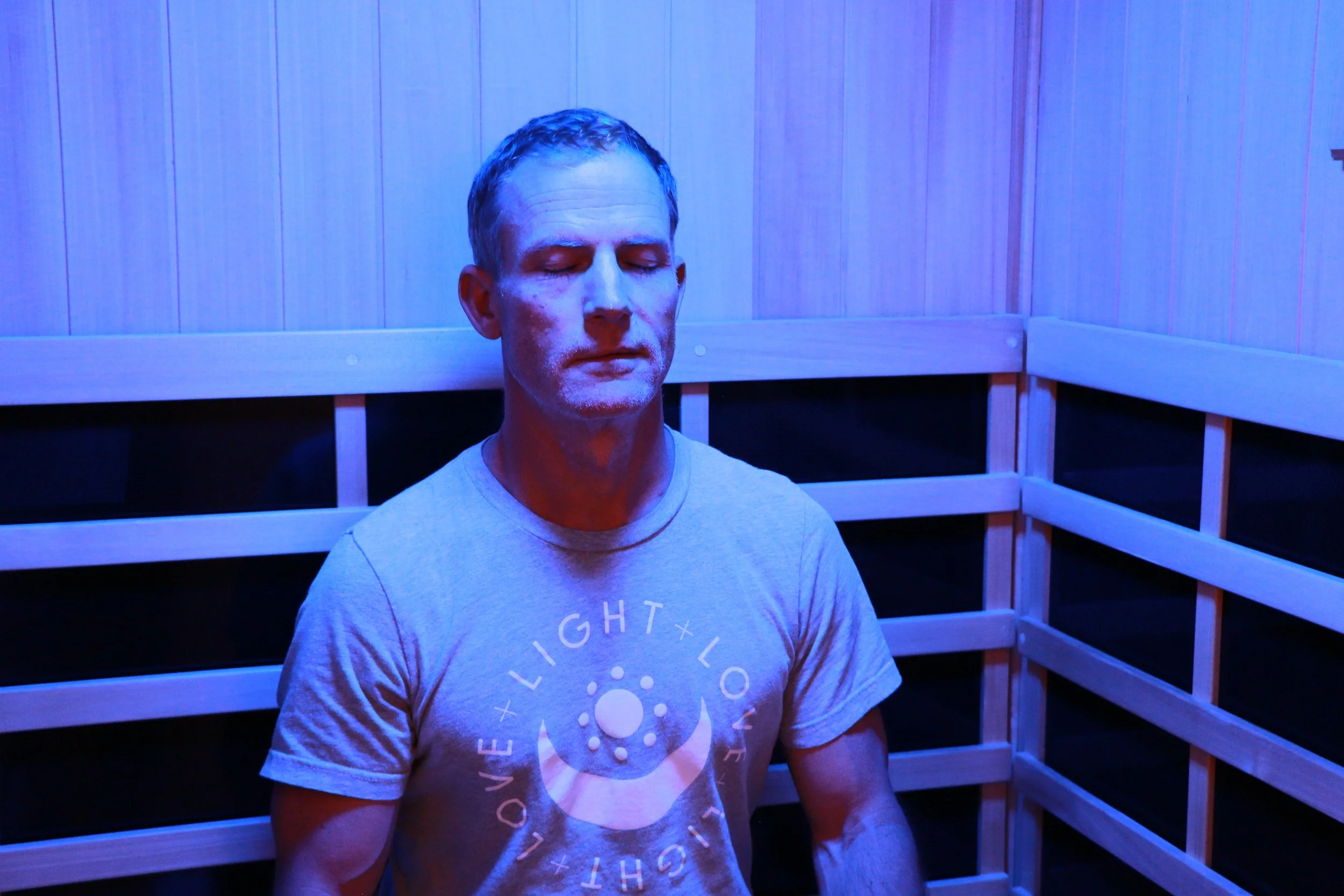
Practices like yoga, HaloSauna, and cold plunge offer us opportunities to respond differently.
Yoga teaches us awareness and choice.
Sauna invites us to receive without striving.
Cold plunge teaches us how to stay present and breathe through discomfort, rather than react to it.
When approached with compassion, these practices aren’t about toughness or performance. They’re about learning how to listen to your nervous system and respond with care.
Over time, that care doesn’t stay confined to the studio.
It shows up when:
You pause before snapping at someone you love
You take a breath instead of pushing through exhaustion
You choose rest without guilt
You respond to yourself the way you would to a close friend
Practicing Compassion, One Choice at a Time
Living your yoga doesn’t require more discipline, flexibility, or time.
It begins with noticing the moments when life feels full and choosing care anyway.
Compassion shows up when we decide to step away from the momentum of the day and tend to ourselves with intention.
When we choose a yoga class not to fix ourselves, but to feel.
When we step into the sauna or the cold plunge as a way to reset, not to prove anything.
When we pause for a short walk or a few quiet breaths instead of pushing through exhaustion.
These choices may seem small, but they’re not insignificant. They interrupt the belief that rest must be earned or that care comes last.
Judith Lasater reminds us that yoga isn’t something we practice once and perfect—it’s something we return to, again and again, in real life. Compassion works the same way. It isn’t a trait you possess. It’s a response you practice.
So the next time you feel pulled in every direction, consider this simple question:
What would it look like to respond with care right now?
Then let that answer guide you—just for today.
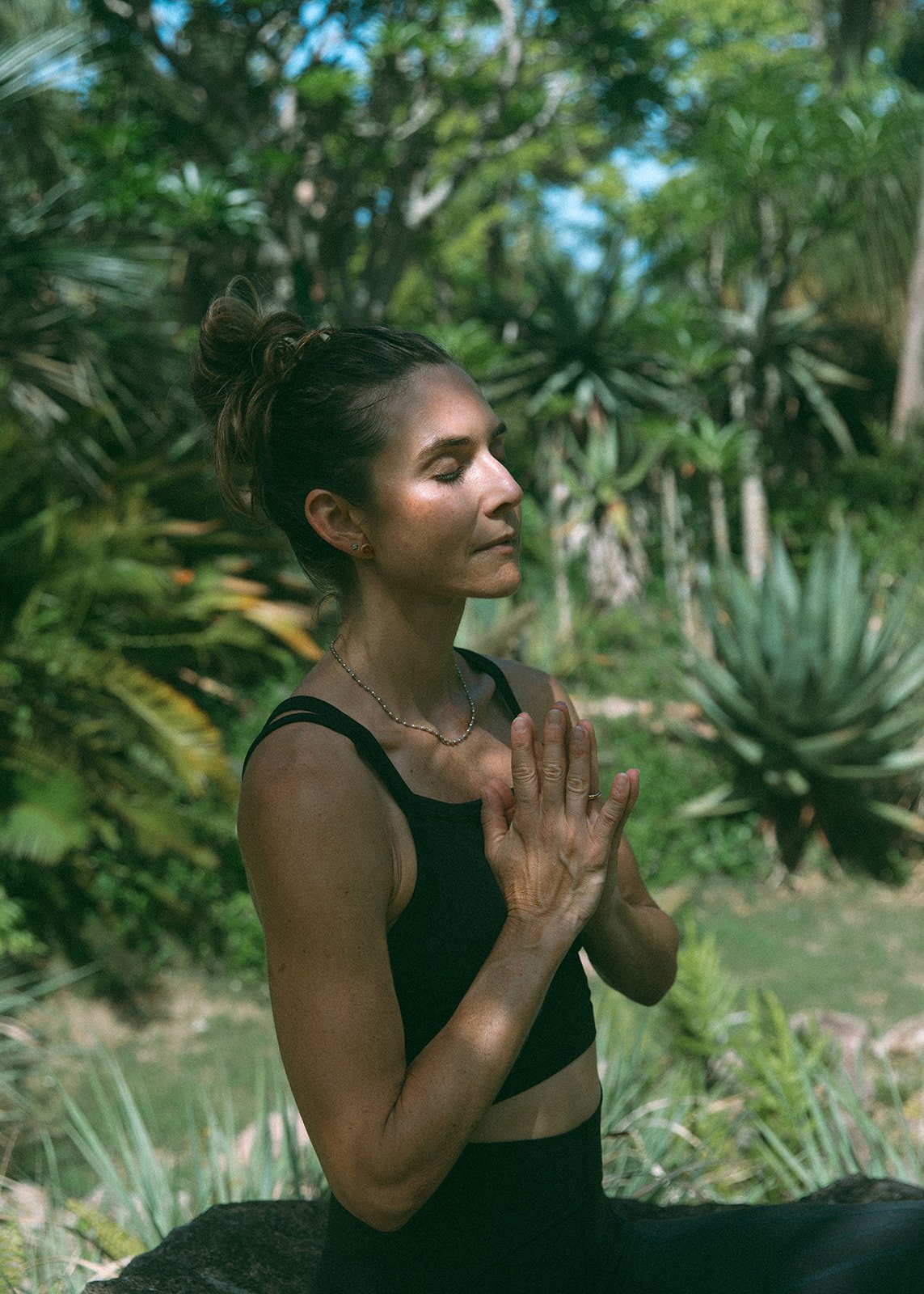
Photo by Emily Shepherd
Julia Collins, owner of award-winning Soul Society Yoga, brings over two decades of movement practice, yogic study, and teaching to her classes. Julia has been influenced by many gifted and compassionate teachers along her yoga and spiritual path.
Julia follows the Bhakti path of yoga – the yoga of loving and heartfulness — and frequently attends retreats and classes that nurture her spiritual practice.